
CULTURE
Nobody is Explaining Anymore
14 AUG 2026
Section Styles full-width
Section Styles full-width
WORDS
Michel Lu
SHARE
[social-icons]
For decades an Asian ingredient arrived with an explanation attached and a room to match. It increasingly turns up on its own, on menus with no interest in where it came from, and is expected to hold its place regardless.
The bar is on the South Bank. It is not an Asian bar and makes no claim to be. Its menu is more considered than most. Under one of the drinks, in the small type where the ingredients are listed, is buah keluak. It sits between two things almost everyone in the room would recognise. There is no note explaining what it is, where it comes from or what it tastes like.
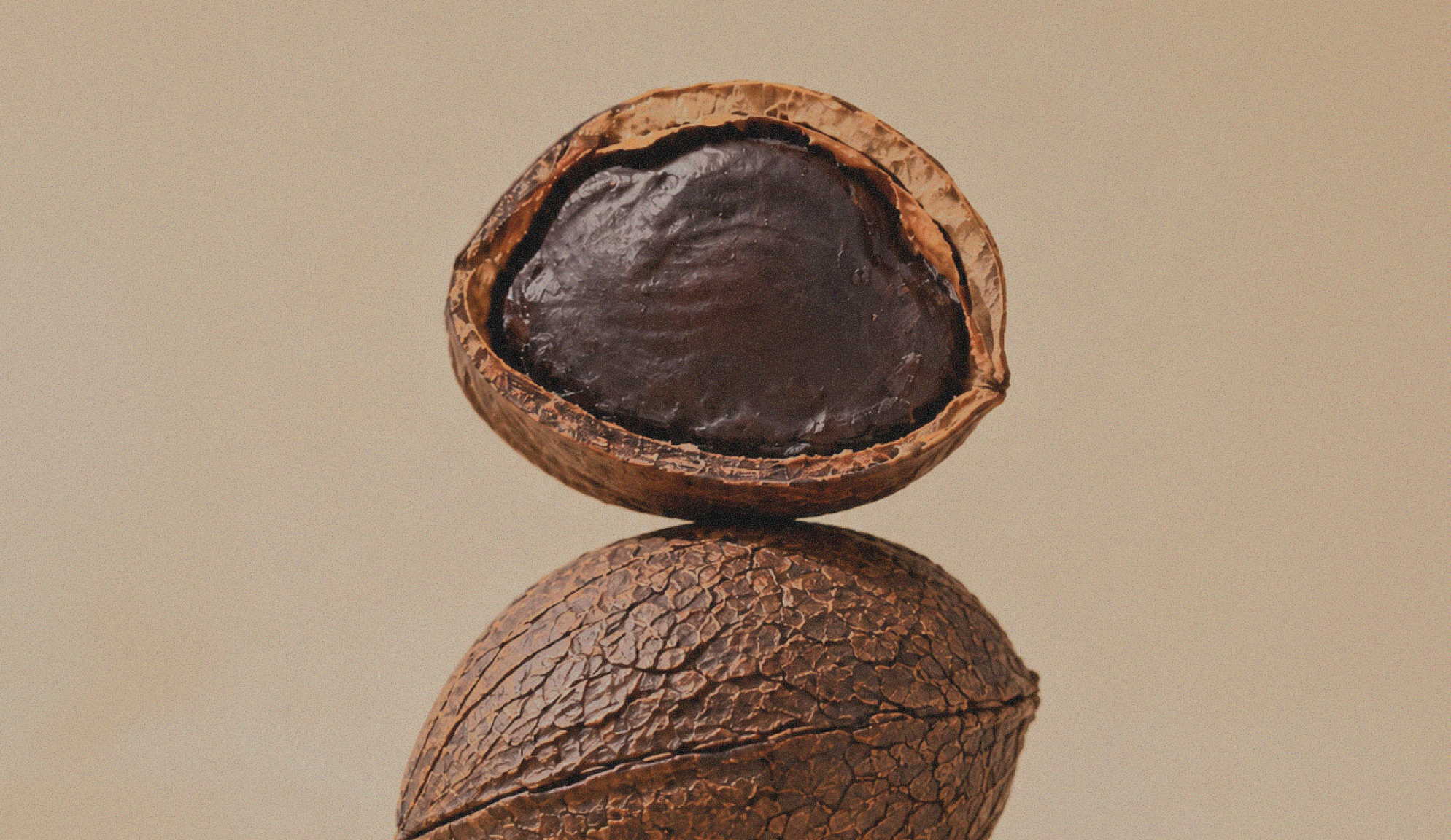
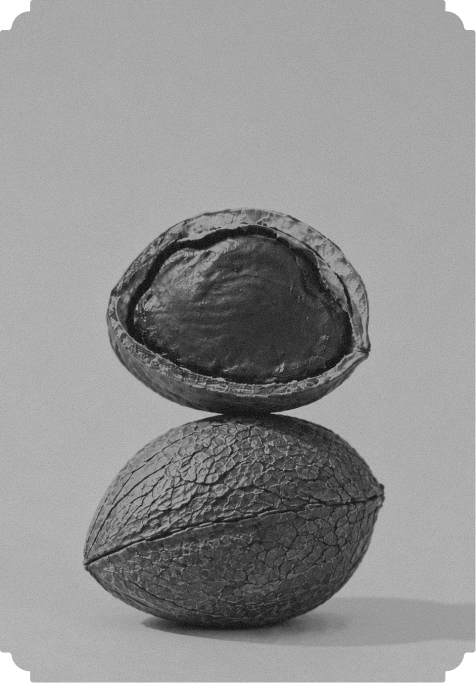
For the benefit of those the menu has left to their own devices: buah keluak is the seed of a Southeast Asian tree. Raw, it is toxic. It is buried and fermented for weeks before it can be eaten. It is a defining ingredient in Peranakan cooking, and it tastes of earth, bitterness and dark chocolate. I have now done the thing the menu declined to do, which rather proves the point.
Fifteen years ago that word would not have been on that menu at all. It would have been somewhere else, in an Asian restaurant or a bar with a concept, and even there it would have carried a paragraph. A note about the region. A line about how the seed is prepared. Perhaps a small map. The intention was helpful enough. We know this may be unfamiliar, so let us explain.
Both of those have gone. It was never really about the ingredient. It was about what the ingredient was there to prove.
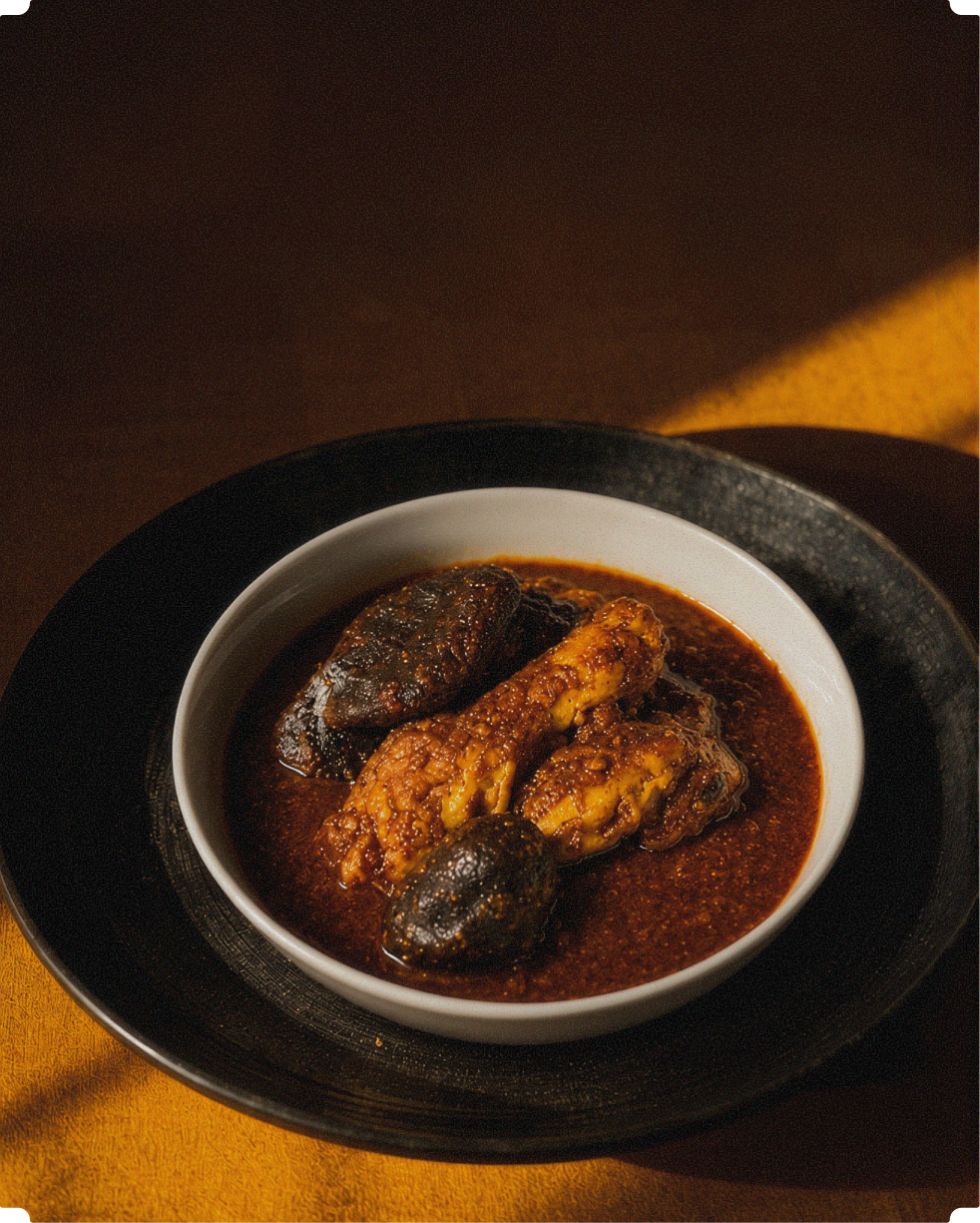
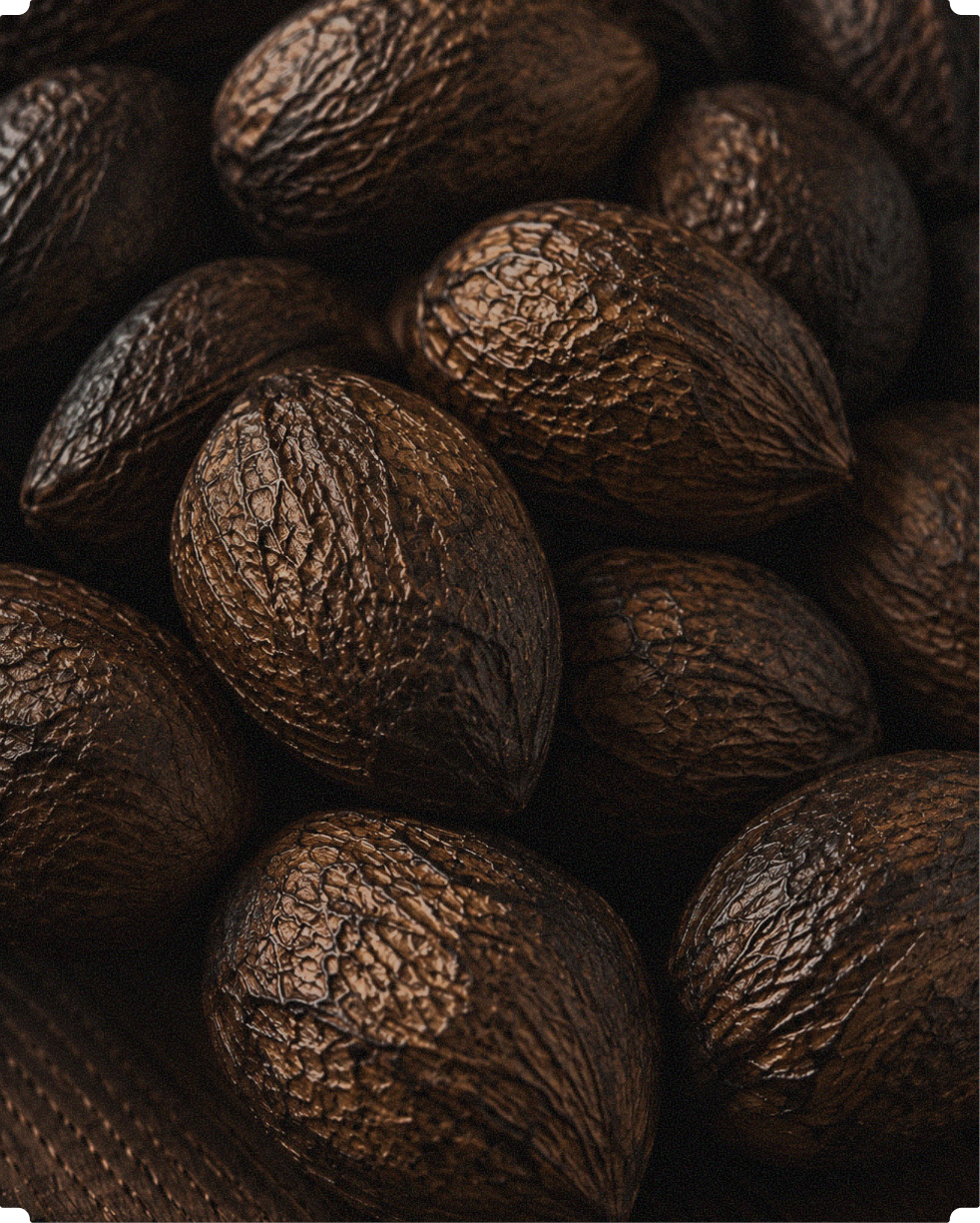
Its bitterness, depth and earthy funk make sense even when stripped of cultural cues. In that setting, buah keluak stops functioning as a reference and starts functioning simply as flavour.
Section Styles full-width
The ingredient arrived on its own
For most of the last century an Asian ingredient travelled with an escort. It turned up inside an Asian restaurant, or a themed bar, in a room that had told you what it was before you sat down. The decor did half the explaining and the menu did the rest. The ingredient belonged to a package, and part of its job was to confirm it. That has come apart, in two directions.
Where the theme still exists, it has improved. There used to be a small vocabulary of images whose only job was to say Asia quickly. A printed motif has become a screen cut by someone who has been cutting them for thirty years. A decorative border has become a commissioned ceramic. The lighting is designed rather than themed. Nothing has been taken away, which is why that change is easy to miss.
The more interesting direction is the other one. A bar with no Asian reference of any kind now reaches for a Southeast Asian seed because of what it does to a drink. There is no concept for the ingredient to support. It is not evidence of anything. That is a higher bar, not a lower one. Inside an Asian room, an unusual Asian ingredient is doing thematic work and gets some credit for that alone. It belongs there by right. Outside that room it has to earn its place against everything else that could have gone in the glass, and it is competing with things the bartender has used a thousand times.
Buah keluak is not on that menu to signal anything. It is there for what it contributes to the drink, and it would come off the menu the moment it stopped contributing.
A more self-assured audience
None of this works if the audience still feels lost. The interest in Asia did not arrive all at once. It came in waves. For much of the West, Japan was the first sustained encounter. Japanese food, design, fashion, whisky and popular culture moved beyond specialist audiences in the late twentieth century. Korea followed, with music, cinema, beauty and food, each building on the familiarity the previous wave had created.
China is arriving now, and differently. A younger generation reads Chinese fashion, design and hospitality as sources of taste and ambition rather than as manufacturing. Each wave makes the next one easier. The unfamiliar becomes less alarming and the appetite widens. The effect is clearest in food and drink. The customer who once needed miso explained now has three kinds in the fridge. Yuzu, shiso, pandan, calamansi and sansho have entered the working vocabulary of kitchens and bars a long way from where they grow, and mostly in kitchens with no Asian identity at all. The same has happened to spirits.
“Japanese whisky is no longer introduced as an alternative to Scotch, and Taiwanese whisky, Korean soju and Chinese baijiu are increasingly treated as categories with their own histories rather than as curiosities.”
Which changes what an ingredient has to do. It no longer has to justify itself by being Asian. It can be there because it is good. The obvious objection is that this describes the diaspora rather than the room. Cities with large Asian populations produce menus written for people who already know the word, and that is demographics rather than confidence. The evidence points the other way. When Nielsen measured a BTS release last year, 73 per cent of the first week's audience sat outside the Asian American bracket. That measurement is American and the menu is in London, so treat it as an indication rather than proof. But the direction is not much in doubt.
There is commercial logic underneath it too. A good bar in central London has no shortage of competitors serving a well-made Martini. It has rather fewer who can tell you why a drink contains a fermented seed from Southeast Asia, where they found it and what it does to the flavour. Depth creates distinction. That is why the research budget exists.
I spend much of the year moving between cities and the shift is uneven. London has gone furthest. Los Angeles, San Francisco and Dubai are not far behind. New York and Paris have moved quickly in the last few years. Elsewhere the paragraph is still on the menu, although it is getting shorter.
Who does the explaining now
The work has not disappeared. It has moved. Explaining is cheap. Research is expensive. The bar that once wrote a paragraph about a region now spends the money on a sourcing trip, a relationship with a producer or a fermentation programme. The customer does more of the work.
If you want to know what buah keluak is, you can look it up. Some of this is simply familiarity, of course. Nobody needs yuzu explained anymore, or sriracha. The interesting question is what happens to the things that remain unfamiliar. A menu can now put an ingredient in front of you that most of the room has never encountered, and do so without any apparent anxiety that this might be a problem.
There is a difference between taking something seriously and turning it into a lesson. The first is self-assurance. The second can still be condescension, however well intentioned. The best bars, restaurants, studios and brands increasingly understand this, whether or not they are Asian. Something can be deeply rooted in a place without that rootedness being performed for an outside audience. It does not have to be introduced as important because it is Asian.
What has not changed
It would be easy to make too much of all this. The institutions that decide what becomes globally recognised are still heavily shaped by Western history and influence. Restaurant lists, bar rankings, film festivals, luxury houses, publishing and the wider machinery of cultural prestige.
Ownership has not shifted nearly as dramatically. European and American groups still occupy a large part of the global luxury, hospitality and drinks economy. Even the language can feel inherited. Walk into a serious cocktail bar anywhere in Asia and much of the technical vocabulary behind the counter remains French.
“So this is not a story about independence. It is a story about self-assurance developing inside a system that has not fundamentally changed. That distinction matters, because who you imagine is listening changes what you make.”
“So this is not a story about independence. It is a story about self-assurance developing inside a system that has not fundamentally changed. That distinction matters, because who you imagine is listening changes what you make.”
On its own terms
None of that alters what is in the glass. What interests me is the point at which something stops needing to be introduced as Asian and starts being judged on its own terms. A seed that can sit on a menu carrying no other reference to Asia, and hold its place there. A spirit from Taiwan or Indonesia assessed on what it does rather than where it is from.
Asia does not need to explain why it belongs in the room. It simply does.

Latest Perspectives

DRINK
The Flavours have Changed.
The Classics haven’t.
14 AUG 2026

DRINK
What are you supposed to drink
with all this?
20 AUG 2026
DRINK
The City Eats Late
2 SEP 2026