Section Styles full-width
The Orientalist
Scroll for more
Section Styles full-width
Story of the House
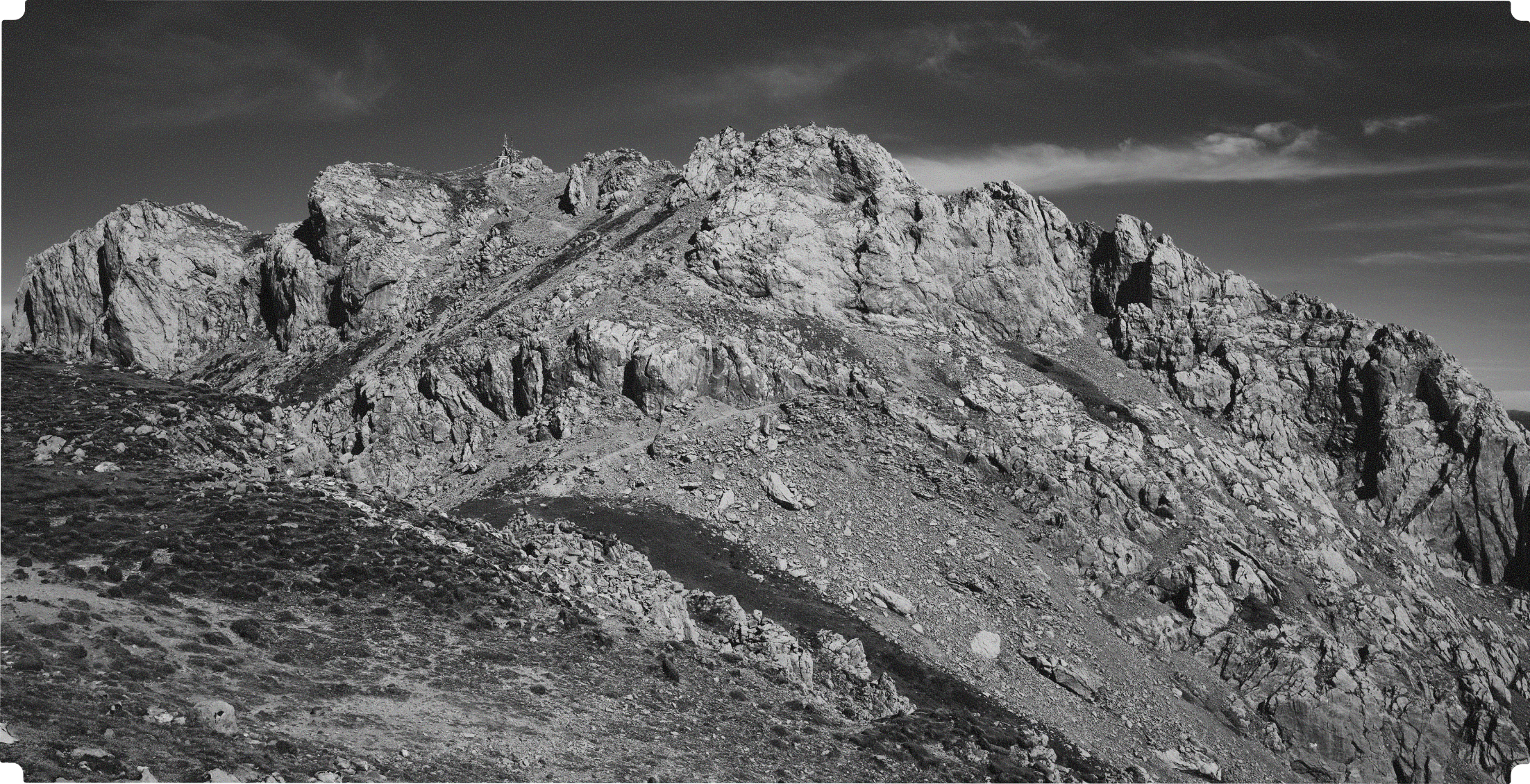
In the mountains of Shangri-La, a lifetime of travelling through Asia became a question: what could a house of Asian spirits be?
Section Styles full-width
High on the Tibetan Plateau, some 3,300 metres above the sea, the idea for The Orientalist began to take shape. In the mountains of Shangri-La, Michel Lu found himself thinking about the extraordinary abundance of Asia — and how much of it remained unfamiliar, even to those who called the region home.
There were grains shaped by altitude, flowers and fruits particular to a single landscape, traditions carried quietly from one generation to the next. Beyond those mountains lay countless other worlds: different climates, cultures, ingredients and ways of making. A lifetime of travelling through Asia had revealed something of that richness. It had also made him conscious of how much there was still to discover.
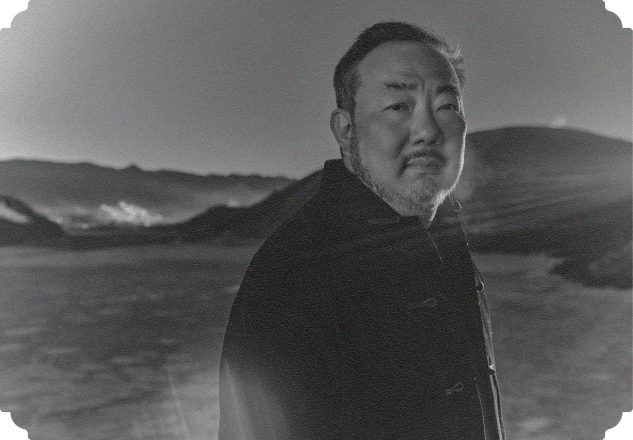
Michel Lu, 呂聯逸
FOUNDER of The Orientalist Spirits
He had spent that life as an entrepreneur — Hong Kong-born, raised in Singapore, educated abroad, and for more than thirty years creating restaurants, bars and hospitality concepts across the region. Now the question of what to build had acquired another dimension. He wanted to make something that could endure beyond him: something through which his experience, and his sense of belonging, might take a lasting form.
At the same time he felt Asia finding a new confidence. In food, design, art and hospitality he saw a growing willingness to express its cultures in contemporary ways. His own Asian pride had deepened with age. The possibility of contributing to that moment felt both personal and timely.
The Orientalist emerged from those thoughts: an all-Asian house of fine spirits, free to explore across the region and to bring its discoveries to the world. Its ambition was to create spirits with a distinct point of view — capable of standing alongside the great houses, while speaking in a voice of their own.
Assemblage
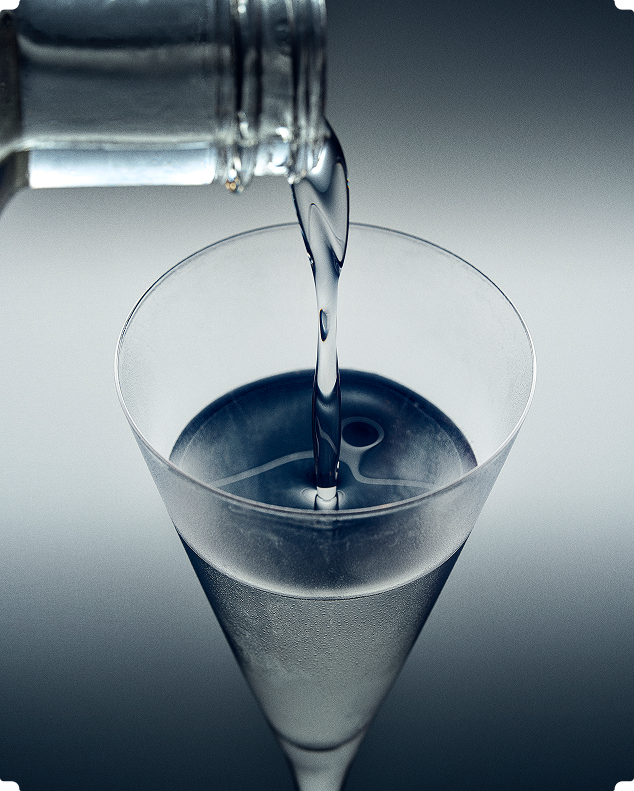
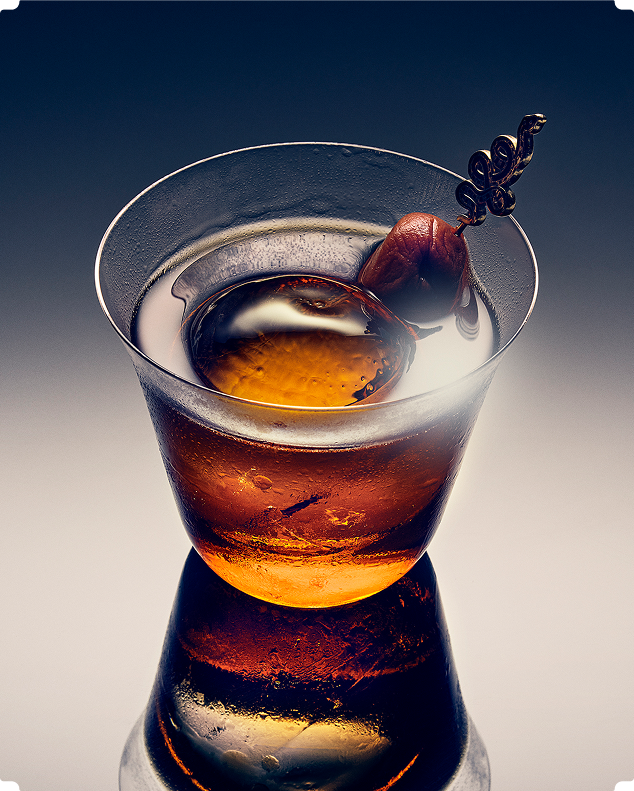
One idea gradually became fundamental to the work: assemblage, the art of selection and composition. A spirit could begin with different ingredients, different methods of distillation, or mature liquids drawn from different places. The craft lay in understanding each element, recognising what it could contribute, and finding the proportions in which the whole became compelling.
There were grains shaped by altitude, flowers and fruits particular to a single landscape, traditions carried quietly from one generation to the next. Beyond those mountains lay countless other worlds: different climates, cultures, ingredients and ways of making. A lifetime of travelling through Asia had revealed something of that richness. It had also made him conscious of how much there was still to discover.
That freedom carries a discipline. Every element must earn its place in the glass. Provenance gives a spirit meaning, but taste determines whether it belongs. Michel's palate — formed through decades in food and hospitality across Asia — provides the guiding judgement. Curiosity begins the search; patient tasting gives it direction. And the pleasure of discovery must, in the end, become something another person can experience.
Each bottle carries that continuing exploration: the memory of a place, a question worth pursuing, a discovery made through taste. What began in Shangri-La has become a house in which different parts of Asia can meet — retaining their character, while finding something new together.
The Orientalist emerged from those thoughts: an all-Asian house of fine spirits, free to explore across the region and to bring its discoveries to the world. Its ambition was to create spirits with a distinct point of view — capable of standing alongside the great houses, while speaking in a voice of their own.
Asia, distilled.