
Section Styles full-width
Origins Vodka
Scroll for more
Section Styles full-width
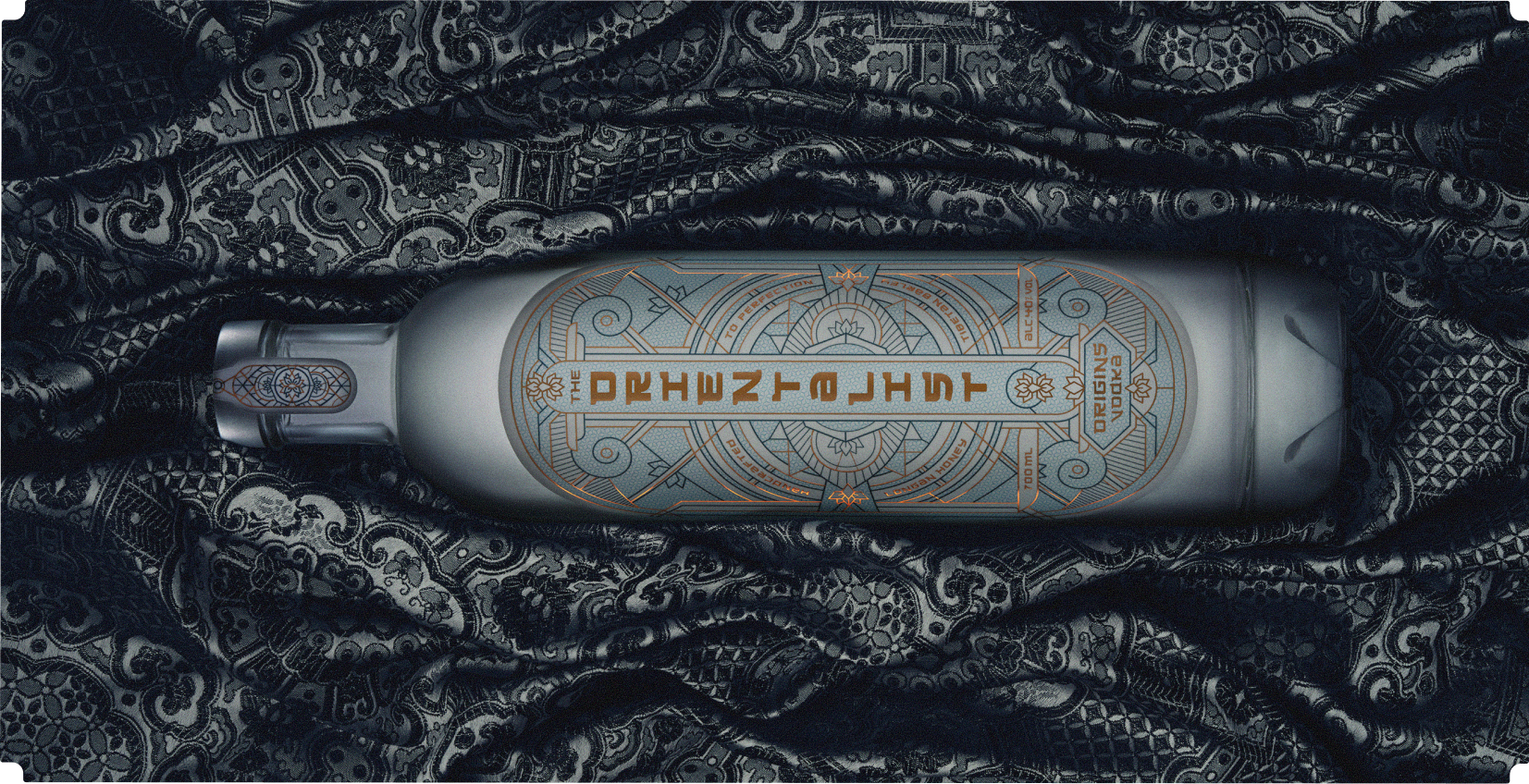
Something to savour. Origins began with Michel Lu’s conviction that vodka deserved more attention than its reputation allowed. For years the category had held up neutrality as an ideal. As the liquid became defined by the absence of colour, aroma and taste, much of the conversation drifted towards distillation counts, filtration and elaborate bottles. Michel was interested in what might happen inside the glass. Could vodka offer the texture, complexity and nuance that make other fine spirits worth sitting with? Could it be something to savour — with enough character to reward a second, more attentive taste?
The answer began with three separate distillates, each contributing a particular quality, giving him the freedom to shape the spirit beyond the reach of any single ingredient.
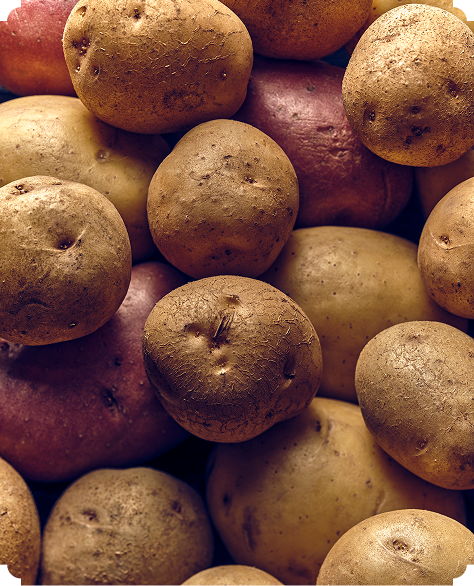
Potato provided the foundation. Its appeal was tactile: creaminess, mouthfeel, the way the spirit moves across the tongue. This was the body around which the other elements could find their balance.
The work then lay in proportion — finding the point at which potato's creaminess, barley's character and honey's perfume became one coherent vodka. Each component had a clear purpose, yet the experience needed to feel complete rather than divided into its parts.
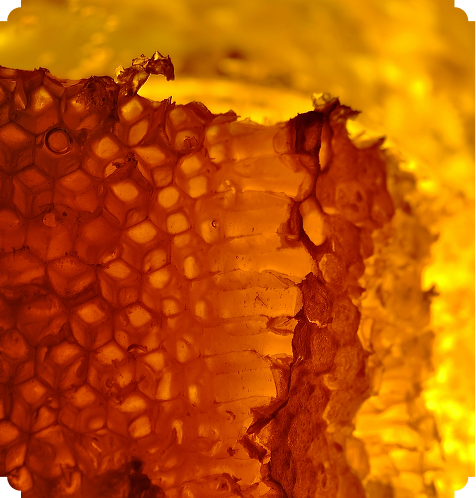
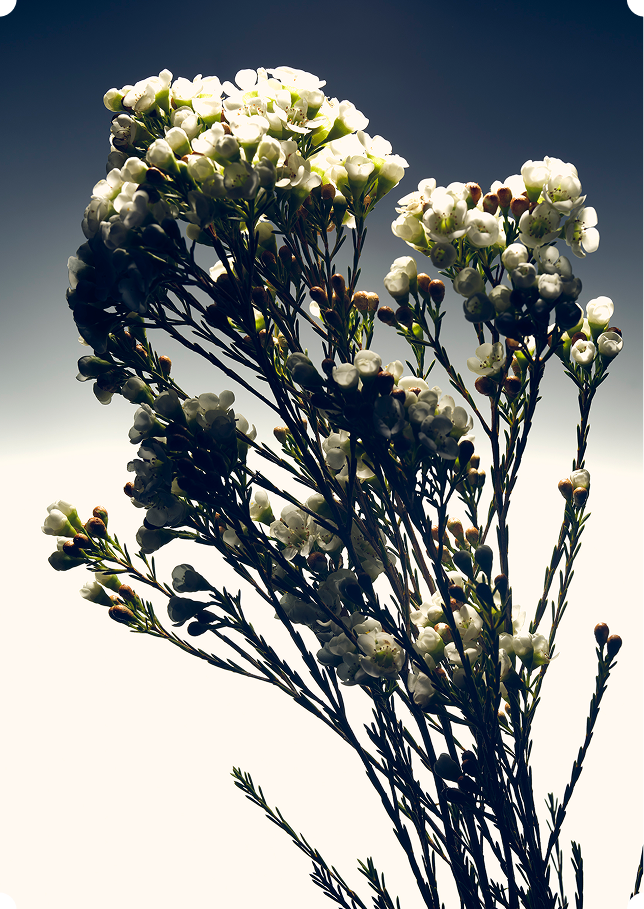
Longan honey supplied the final dimension. The fruit is known across Asia as dragon's eye, but the interest here lay in its blossom: monofloral honey from those flowers, fermented and distilled apart for its delicate perfume. Its role was aromatic, lending the composition a floral grace without a trace of sweetness.
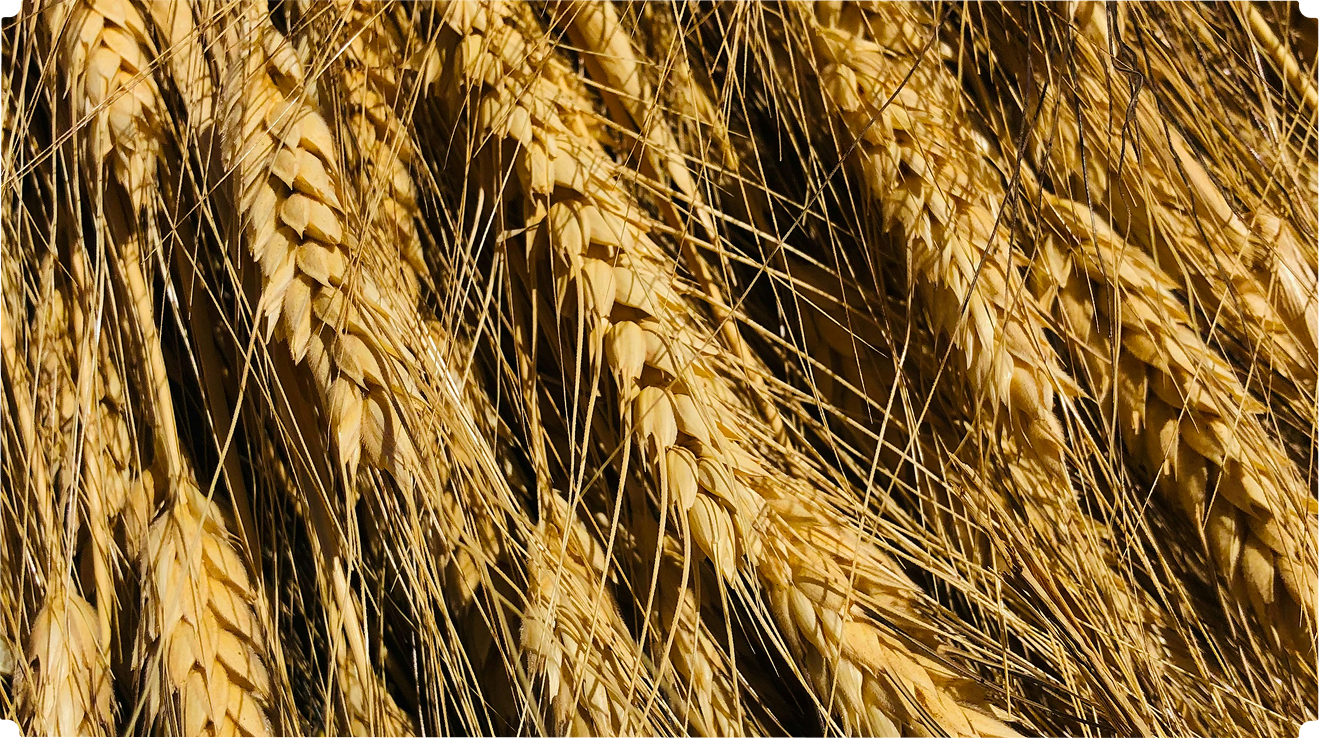
Tibetan highland barley brought a more personal connection. In Shangri-La, Michel had encountered local spirits made from qingke, the barley of the plateau, and the experience stayed with him. A separate barley distillate offered grain character, herbaceousness and lift — bringing something of the landscape where The Orientalist began into its first liquid.
Origins gave Michel his first expression of what the house could do. A question about vodka had become a way of creating: begin with the experience, seek out what it requires, and bring those elements together with care. The name marks that beginning — where the philosophy of The Orientalist first took liquid form.
The story
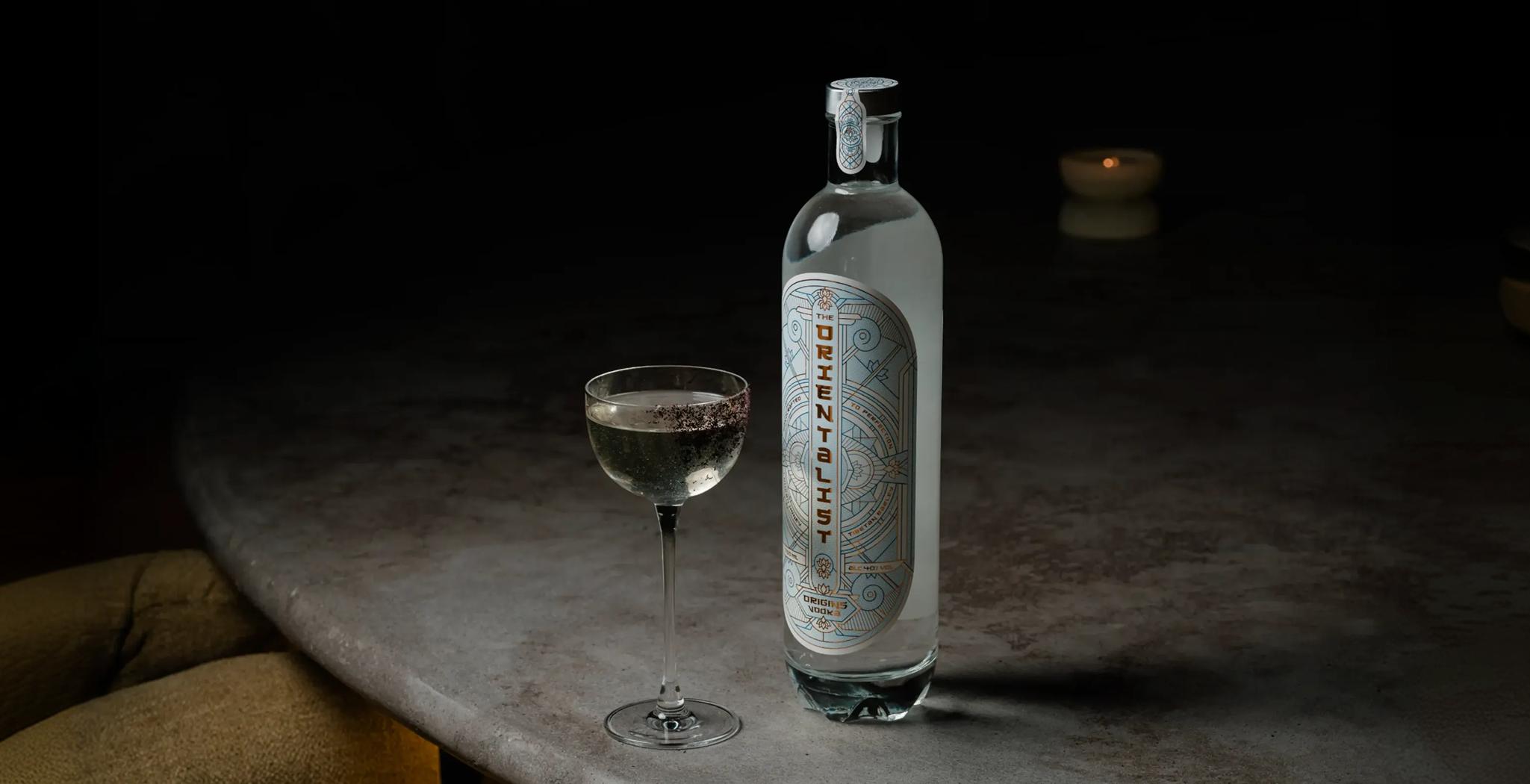
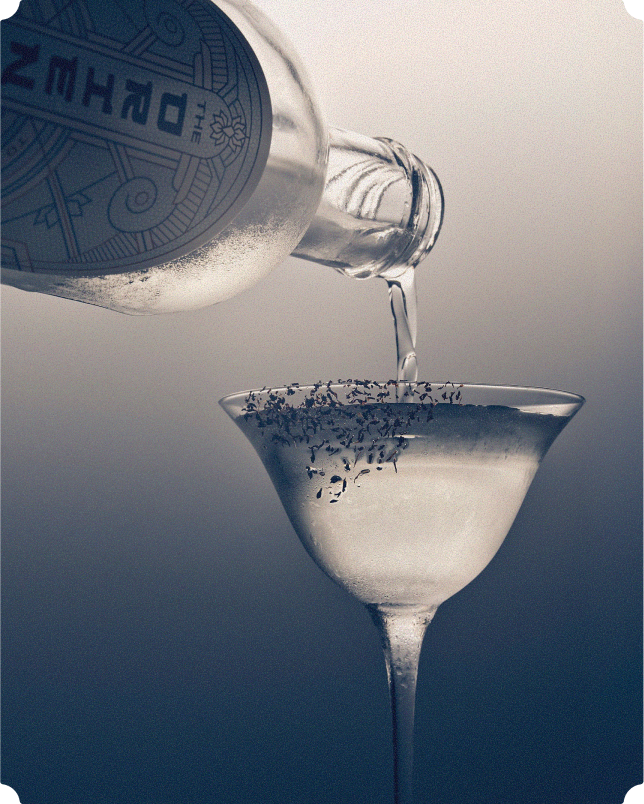
A vodka of assemblage — three distillates composed for depth, texture and elegance, without surrendering purity.
Section Styles full-width
Scroll for more
Section Styles full-width
Structural foundation . Multi-column
A carefully selected blend of multiple potato varieties, chosen for consistency rather than novelty; the blend evolves naturally with each harvest. Each variety brings its own starch profile and fermentation character before distillation through modern multi-column stills into an exceptionally pure, elegant distillate — the vodka's body, creaminess and refined mouthfeel.
Longan Honey
Distillate
Aromatic lift . Vacuum distilled
Fermented and distilled separately to preserve its delicate floral character. Produced under vacuum — lower pressure lowers the boiling point, allowing distillation at gentler temperatures — so fragile floral aromatics survive. It provides subtle aromatic lift and complexity without perceptible sweetness.
Tibetan Highland
Barley Distillate
Length & Structure . Vacuum distilled
Fermented and vacuum distilled separately to retain its grain character. It brings subtle cereal notes, structure and length, complementing the creaminess of the potato and the floral elegance of the longan honey.
Origins Vodka was conceived to challenge a convention: that great vodka should simply be neutral. Rather than stripping away all character, it is assembled from three individually distilled components, each selected for the structure, texture and subtle aromatics it contributes to the final blend. The philosophy is one of assemblage. Every component is selected for a specific purpose and carefully balanced to achieve harmony rather than dominance — a vodka of exceptional purity that carries greater depth, elegance and mouthfeel than a single-base spirit allows.
The Three Distillates
Potato Distillate
“Rather than combining neutral alcohols, the assemblage is composed — each component serving a distinct purpose in the finished vodka.”
-
Potatato
Multi-column distilled for purity & texture
Body, creaminess and refined mouthfeel; the structural foundation.
Longan Honey
Vacuum distilled at low temperature
Subtle floral aromatics, elegance and lift, without perceptible sweetness.
Tibetan Barley
Vacuum distilled separately
Cereal notes, structure and length; balance and complexity.
Water
Filtered, softened, demineralised, pH-adjusted
Purity, consistency and a soft, integrated mouthfeel.
Assembly
Individually assessed before blending
Harmony of purity, texture, aroma and finish.
Assembly
Rested, then sub-micron filtered
Full integration with exceptional clarity and a refined finish.
-
Aroma
Delicate longan blossom florals
Palata
Subtle grain and herbal notes, without sweetness.
Texture
Creamy, rounded and softly integrated
Finish
Refined, with gentle structure and length
-
Assembly
Composed, not combined
Each distillate is individually assessed before assembly, ensuring it meets the required sensory profile and technical specification. The assemblage is then composed to achieve harmony between purity, texture, aroma and finish — unmistakably clean, yet more complex than a single-base vodka.
Water & Proofing
The largest component
Water is meticulously purified — activated carbon filtration, softening, demineralisation — then pH-adjusted before slowly reducing the assemblage to bottling strength. Controlled proofing promotes gradual integration while preserving texture, clarity and aromatic definition.
Resting &
FiltrationComposed, not
combinedAfter proofing, the vodka is rested so the assembled distillates integrate fully. Prior to bottling it passes through an in-line sub-micron microfiltration system, removing microscopic particulates while preserving natural character — exceptional clarity, stability and consistency.
Appearance
Crystal clear
The finished spirit is brilliantly clear and stable in the bottle, with a soft, integrated mouthfeel in which the individual distillates remain the defining character.
The Proprietary
Prouduction
MethodologyThe precise proportions, assembly sequence, integration and resting protocols, and the final mineral profile are held as The Orientalist Spirits' Proprietary Production Methodology — the discipline that ensures consistency and quality across every batch. These specifics remain proprietary to the house.
-
Spirit Category
Vodka
Alcohol by Volume: 40% ABV
Philosophy
Proprietary multi-distillate assemblage
Base Materials: Potato, longan honey,& Tibetan highland barley
Distillation
Multi-column & vacuum distillation
Water treatment: Carbon filtration, softening, demineralisation, pH adjustment
Proofing
Controlled proofing with condotioned water
Resting: Proprietary resting protocol
Filtration
In-line sub-micron microfiltration
Appearance: Crystal clear
-
Assembled from three distillates — potato, longan honey and Tibetan highland barley, each distilled individually.
Potato distillate is produced through modern multi-column distillation for exceptional purity and texture.
Longan honey & barley distillates are vacuum distilled at reduced temperatures to preserve delicate aromatic compounds.
Water is purified through carbon filtration, softening and demineralisation, then precisely pH-adjusted before controlled proofing.
Produced under The Orientalist Spirits' Proprietary Production Methodology, governing proportions, assembly and finishing.
Rested prior to bottling to promote complete integration of the assembled distillates.
Finished with in-line sub-micron microfiltration for exceptional clarity, stability and consistency.
Bottled at 40% ABV.
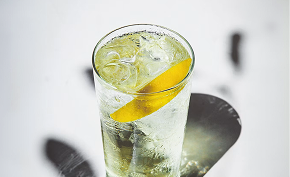
Vodka Soda
Recipe
Recipe
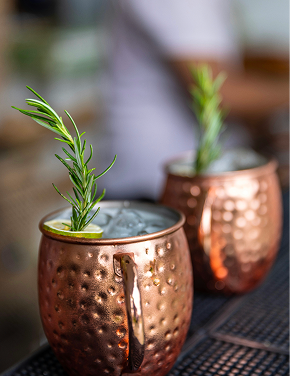
Moscow Mule
Section Styles full-width
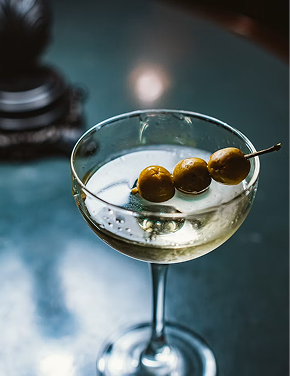
Dry Vodka Martini
Recipe
Ingredients
XX ml aliquam
XX ml malesuada
XXX ml imperdiet laoreet
X lorem ipsum
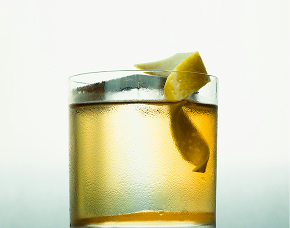
Vodka Lemonade
Recipie
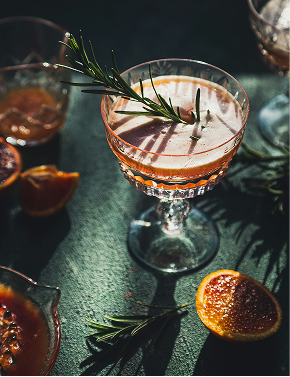
Screwdriver
Recipe
Method
Curabitur et risus diam.
Lorem ipsum dolor sit amet, consectetur adipiscing elit.
Donec a risus volutpat.
Sed varius massa ex, eget bibendum sapien efficitur.
In et dapibus sem.